RPI: The Execution Model Between RFQ and CLOB

The perp DEX discourse has a new favorite argument. Should on-chain derivatives run on a CLOB or an RFQ? The takes are sharp:


daily reminder of why CLOBs on RWAs don’t work you’re trading an illiquid derivative of an illiquid derivative subject to crypto’s liquidity dynamics - not the real market
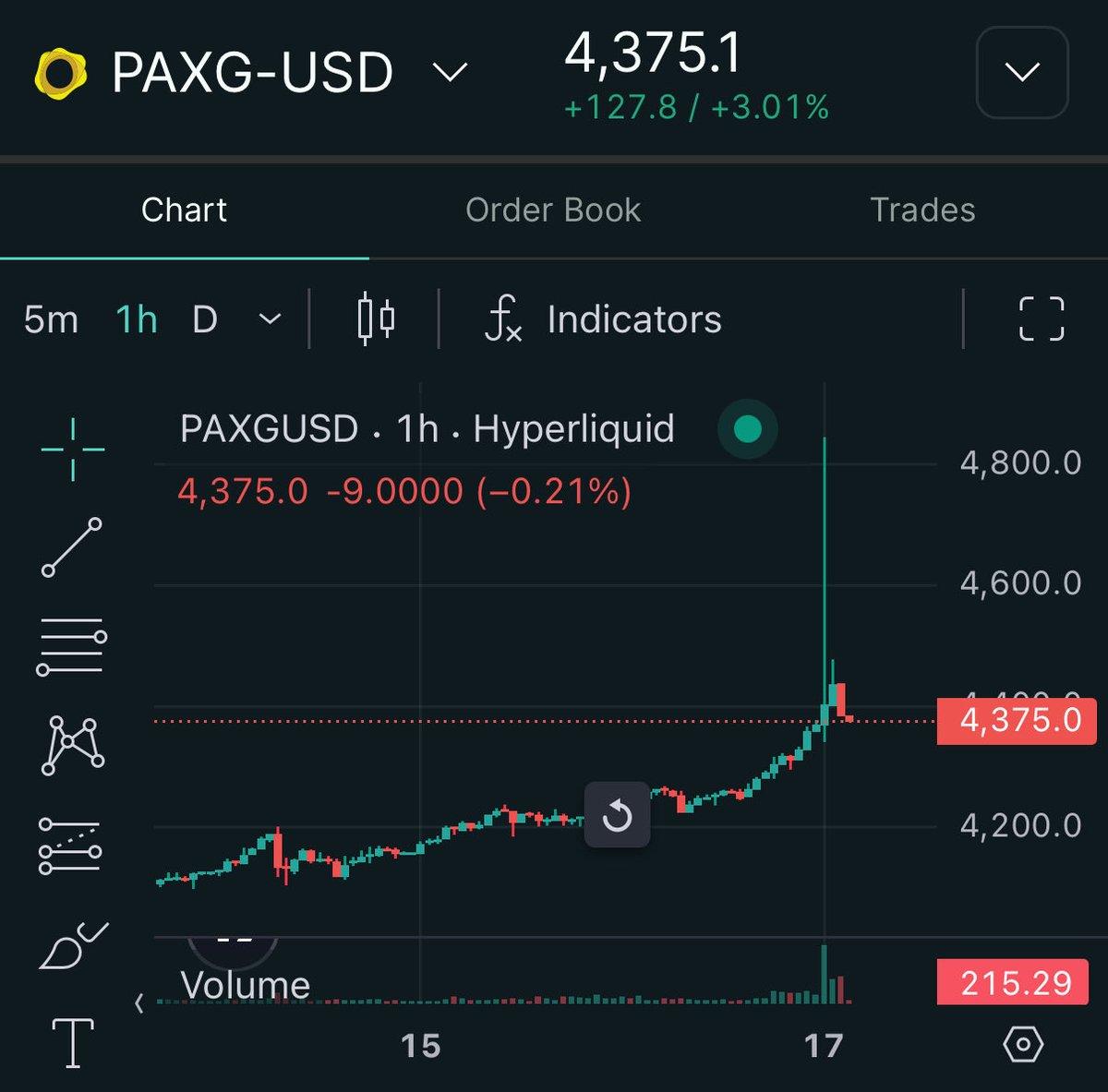
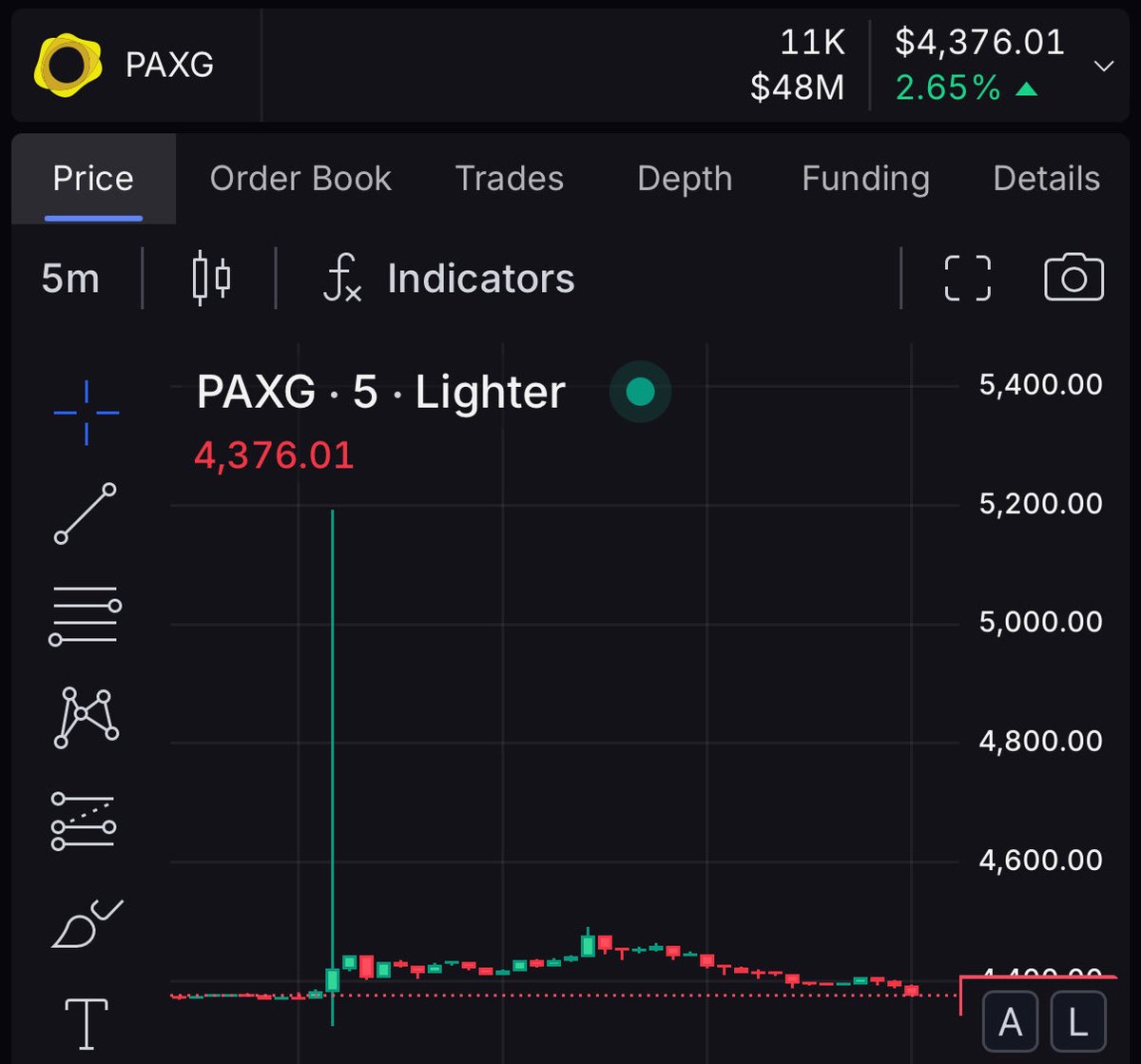
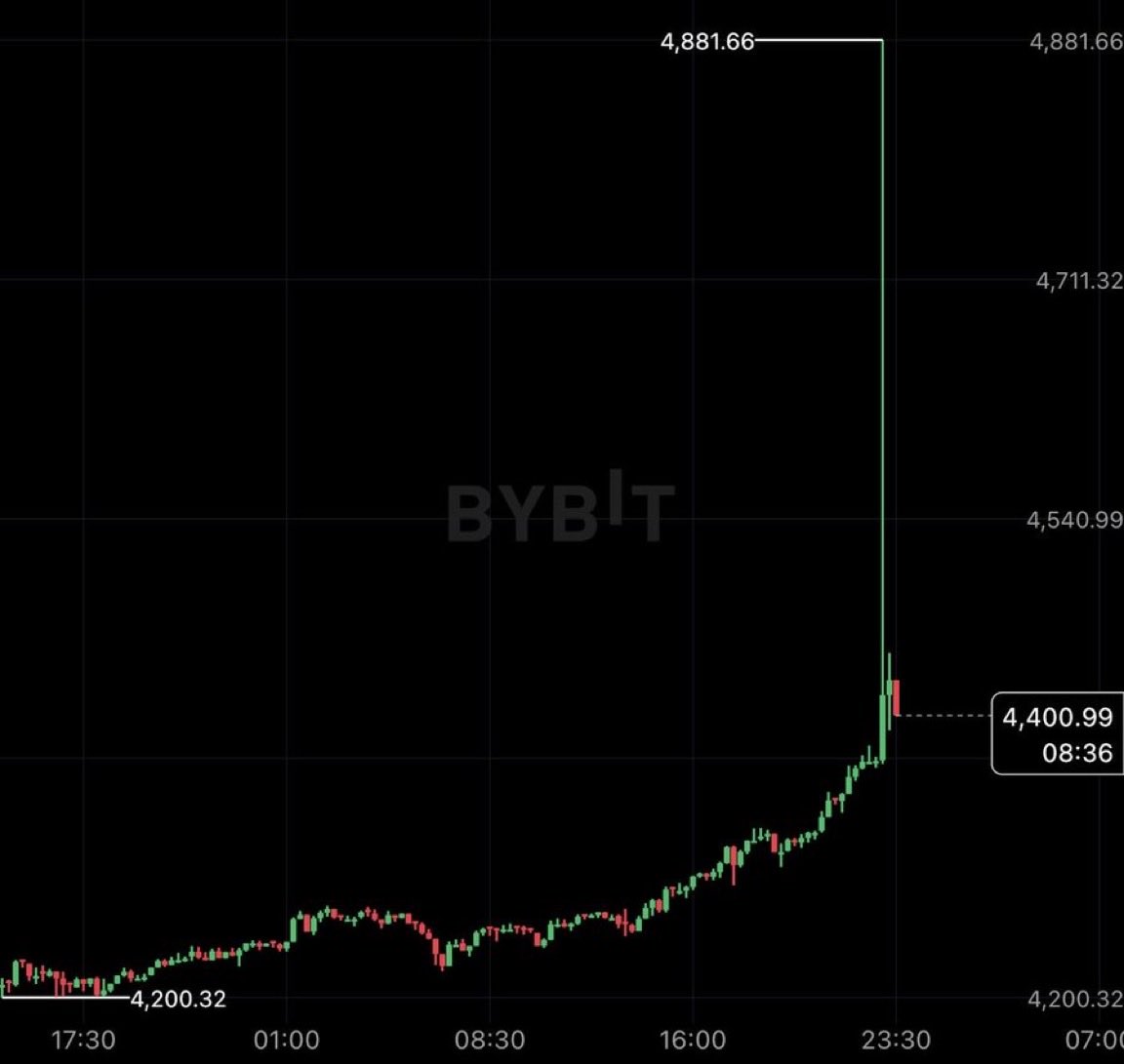

People frame RFQ vs CLOB like one replaces the other In reality they optimize for different constraints CLOBs maximize immediacy, visible depth and price discovery RFQs maximize inventory efficiency and large size execution through external venues The interesting part is when Show more

x.com/i/article/2055…
Both sides are making real points. But the framing is wrong. It is not a binary. There is a third path that keeps the book, adds a competitive auction, and guarantees the taker a better price. It has been running in equity markets for over a decade, and it is what we built Hypercall's matching engine around.
First, the two models everyone is arguing about:
What is a CLOB?
A central limit order book is the default. Buyers post bids, sellers post asks, the exchange matches them by price-time priority. Best price fills first. Ties broken by who got there earlier.
Everyone sees the same book. A fund running a latency-optimized algo sees the same resting orders as someone clicking "Buy" in a browser. Same prices, same queue, same rules.
This is what Hyperliquid and Lighter run for perps. Deribit runs it for crypto options. Works great when there is enough natural two-sided flow and the instrument is liquid enough that MMs can hedge quickly.
The problem shows up the moment you move past BTC and ETH perps. A market maker quoting a BTC call option faces the same book whether the next taker is someone buying their first option or a vol arb bot that spotted a move on Deribit 200ms ago. The bot's flow is toxic: the MM who fills it loses money as the true price moves against them. The retail order is benign. But the CLOB treats them identically.
On perps, manageable. Spreads are 0.5 bps, quote refresh is sub-10ms. On a 25-delta option with 7 days to expiry? The spread is 200 bps, and one toxic fill wipes out a day's PnL. The MM's only move is to quote wider to everyone.
What is an RFQ?
A request for quote flips the whole thing. You describe the trade you want, market makers respond with firm prices, you pick the best one or walk.
No public orderbook. No resting liquidity anyone can see. The market maker is the venue.
This is how most institutional options trading actually works. Ostium has been the loudest advocate for this model in crypto, building oracle-priced RWA perps (oil, gold, FX) around maker-driven execution. Paradigm runs the largest crypto RFQ network for options. Variational and Symm.io built RFQ-native perp venues, and Lighter's RFQ beta extends it to RWA markets.
RFQ kills the adverse selection problem by construction. The MM knows who they are quoting to. They price accordingly. They can hedge externally before responding.
The tradeoff is obvious: no public price, no way to know if the quote you got was competitive, and if the MMs are offline, there is no market.
The gap between them
Both camps are correct about what they optimize for. But neither solves the actual problem.
Ostium is a good example. Their RWA perps (oil, gold, FX) use oracle pricing sourced from traditional markets. Consequence: Ostium perps only trade during underlying market hours. No weekends. No off-hours. You get real liquidity from real markets, but you lose 24/7 availability. Meanwhile Hyperliquid perps trade around the clock because the CLOB generates its own price discovery. The tradeoff is that liquidity for RWA underlyings is split between the traditional venue (NYSE, CME) and the on-chain book, so spreads on those instruments are naturally wider than what you would see on the primary market.
RFQ camp says: let MMs quote. CLOB camp says: let the book discover price. Neither answers the actual question: how do you get continuous, transparent price discovery with execution quality that does not make retail pay for the risk created by informed flow?
There is a third model. It has been running on CBOE, NYSE, and Nasdaq since 2012. It is called Retail Price Improvement.
How RPI works
Your order enters a short auction before it touches the orderbook. MMs compete to fill it at a price strictly better than what the book offers. If none of them beat the book, your order falls through to the book like nothing happened.
order
auction
The reference price is the tighter of your limit and the best resting price on the book. Buy order: min(your_limit, best_ask). Sell: max(your_limit, best_bid). The winning quote must strictly improve on this. Same logic as CBOE's Retail Price Improvement program: hidden liquidity providers can only interact with retail flow if they beat the best displayed price on the book.
On Hypercall, quote providers hold persistent WebSocket connections and respond to every auction in real time. Multiple QPs compete on each order. Best price wins, ties broken by arrival time. More QPs = tighter spreads. Details in the QP program.
The guarantee
RPI fill is always at least 1 tick better than the book. If no MM can improve, you cross the book at the best available price. You never pay more than your limit. The whole thing is invisible to you as a trader. You submit an order, you get price improvement or you get the book. Full spec: Order Priority.
Why market makers want this
MMs do not quote better prices out of goodwill. They do it because screened flow is worth more to them.
A vol arb bot that picks you off 50ms after a Deribit print is a fundamentally different counterparty than someone buying their first BTC call. The bot's flow is toxic. The retail flow is not. On a pure CLOB, these look identical. The MM prices for the worst case. Spreads reflect the cost of the most informed participant in the pool. That is why options spreads on CLOBs are so wide: the MM cannot tell if the incoming order is a hedger rolling a position or an algo front-running a vol surface update.
RPI separates these flows at the venue level. Quotes submitted to the auction only fill against screened, non-algorithmic flow. The MM knows structurally that the counterparty is not a latency arb. That knowledge alone is worth 50-200 bps of tighter spread.
Wider spreads reflect vega and gamma risk. Most retail flow is directional but uninformed about vol. MMs can quote tighter to screened retail because their expected loss per fill drops sharply. This is where RPI shines.
Why options need RPI more than perps
Everyone is arguing about perps because that is where the volume is. The case for RPI is actually far stronger in options. The spread is wider. The adverse selection is worse. The payoff from segmentation is an order of magnitude larger.
| Dimension | Perps | Options | Implication |
|---|---|---|---|
| Spread (majors) | 0.5-2 bps | 50-500 bps | Options have 100x more room for improvement |
| Toxic flow share | 60-80% | 10-40% | Options flow is mostly directional retail, not latency arb |
| MM quote refresh | < 10ms | 100ms-1s | Slower refresh = more time for RPI auction |
| Instruments per underlying | 1 | 50-200+ | Fragmented liquidity makes RFQ/RPI critical for OTM strikes |
| Multi-leg demand | None | High (spreads, straddles) | No CLOB for multi-leg. RFQ is the only viable path. |
| Adverse selection cost | Latency-dominated | Vol-information-dominated | Segmentation by flow type filters the right signal |
A BTC perp spread is 0.5 bps. The MM rehedges in milliseconds. An options MM quoting a 25-delta BTC call at 7 DTE has to price in gamma, vega, inventory risk, and adverse selection simultaneously. The spread is 200-500 bps. Rehedging means trading the perp, the underlying, or finding an offsetting option. One bad fill is a day of PnL gone.
RPI does not fix gamma. It does not fix vega. What it does is remove the tail risk of getting systematically picked off by informed flow on every single fill. That alone is worth 50-200 bps of tighter quotes. On options, that is the entire spread.
Multi-leg: where CLOBs cannot go
An iron condor has four legs across two strikes and two option types. There is no CLOB for this. You cannot rest a four-leg package on an orderbook because the composite price depends on all legs simultaneously. Multi-leg requires RFQ. Hypercall's RFQ system handles this atomically: entire package fills or nothing. No leg risk.
Where the debate goes wrong
The debate has crystallized into three camps, and the problem is that each one is correct within its own frame of reference but wrong about the frame itself.
Hyperliquid and Lighter built pure CLOBs and they work beautifully for BTC and ETH perps, where there is enough two-sided flow to keep spreads at 0.5 bps without any special treatment. Try to run the same model on a 25-delta BTC put with 14 DTE and you end up with two resting orders and a 300 bps spread.
Variational and Symm.io built pure RFQ venues and they are right that a competent MM quoting off Deribit or CME can offer tighter execution than a thin CLOB. But an RFQ venue without a public book has no price discovery. If the MMs all go offline during a vol event, there is literally no market. That is not a theoretical concern.
The hybrid camp says the endgame is both. We agree, with one addition: the RPI auction as the connective tissue between the book and the RFQ layer.
What RPI means for perps
Hypercall perp orders go through HyperCore as directives today. No RPI layer on perps yet.
The point is not that existing CLOB perp venues are broken. Hyperliquid works. Lighter works. The point is that RPI would make most of them better. Paradex already showed 28-61% spread compression on SOL perps just by segmenting retail flow from API flow. That is free money left on the table by every CLOB-only venue that does not do it.
The improvement scales with how wide the spread already is. On BTC majors at 0.5 bps there is less to capture, but even a fractional improvement across billions of dollars of daily volume adds up. On mid-tail assets like SOL or HYPE at 5-15 bps, the improvement is material. On RWA perps like oil, gold, or FX at 20-50+ bps, where the MM is hedging against CME or LME, an RPI layer could meaningfully close the gap between on-chain and off-chain execution quality. Every CLOB-only perp venue would benefit from adding one.
What we built and why
Equity options markets spent decades iterating on this problem. They tried pure CLOBs. They tried pure RFQ. They tried internalization, payment for order flow, price improvement auctions, and dozens of hybrid schemes. What they converged on was a book for price discovery and single-leg flow, an RFQ system for multi-leg packages, and an RPI auction that bridges the two. CBOE, NYSE, and Nasdaq all arrived at the same architecture independently.
We built Hypercall around that architecture because we did not see a reason to repeat thirty years of trial and error. The question was never RFQ vs. CLOB. It was always about which instruments need which execution path, and how the paths connect to each other.
Full spec of Hypercall's execution model: Order Priority. Market makers: QP program and MMP configuration. Builders: API reference.